Maybe it’s work, studying, or something you’ve been putting off for days.
You sit down. You open your laptop. And then… nothing happens.
Instead, you check your phone. You scroll for a bit. You tell yourself you’ll start in five minutes.
But five minutes turns into thirty. And at the end of it, you feel worse than before.
If this sounds familiar, you’re not alone.
Procrastination isn’t just about being lazy. It’s something almost everyone struggles with.
The good news is, once you understand why it happens, it becomes much easier to fix.
Why We Procrastinate in the First Place
Most people think procrastination is a time problem.
It’s not.
It’s an emotional problem.
You delay work because something about it feels uncomfortable.
It might feel boring. It might feel overwhelming. Or you might be afraid you won’t do it well.
Your brain is trying to avoid that discomfort.
That’s why you end up doing something easier instead.
As author Tim Urban once described it, procrastination is like having an “instant gratification monkey” in your brain that takes over when things feel difficult.
A Simple Example
Think about the last time you procrastinated.
You had something important to do. But instead, you watched videos, checked messages, or did small tasks that didn’t matter.
At the time, it felt harmless.
But later, you felt stressed.
The work didn’t go away. It just became heavier.
This is the real cost of procrastination.
What Actually Works
Instead of trying to force yourself to “be more disciplined,” it’s more effective to change how you approach work.
1. Start before you feel ready
One of the biggest mistakes people make is waiting for motivation.
But motivation usually comes after you start, not before.
As writer Steven Pressfield said,
“The more important a call or action is to our soul’s evolution, the more Resistance we will feel toward pursuing it.”
That resistance you feel? It’s normal.
Start anyway.
Even if it’s just one small step.
2. Make the task smaller than your brain expects
If something feels too big, your brain will avoid it.
Instead of saying “I need to finish this project,”
say “I’ll work on this for five minutes.”
That’s it.
Once you begin, continuing becomes easier.
This simple trick works because it removes pressure.
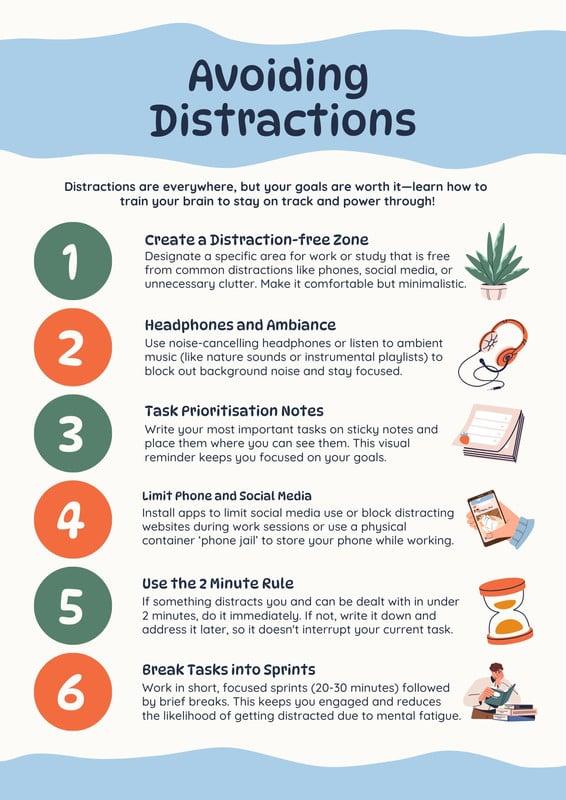
3. Change your environment
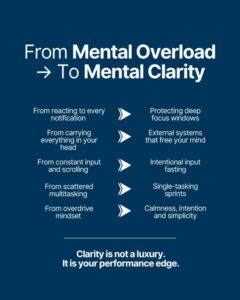
Your environment plays a bigger role than you think.
If your phone is next to you, you will check it.
If your workspace is messy, your mind will feel messy too.
Try this:
put your phone in another room
close unnecessary tabs
keep your desk clean
You don’t need a perfect setup. Just reduce the obvious distractions.
4. Use short focus sessions
Long work sessions can feel overwhelming.
Instead, work in short blocks.
For example:
15 minutes of focus 5 minutes break
This method keeps your energy steady and makes it easier to stay consistent.
5. Focus on starting, not finishing
Most people think about the entire task.
That’s what creates pressure.
Instead, focus only on the next step.
Not the whole project. Just the next action.
This keeps your mind from getting overwhelmed.
A Real Experience
At one point, I struggled with procrastination almost every day.
I would sit down to work, but I kept delaying things.
I told myself I needed to “feel ready” first.
But that moment never came.
The turning point was when I stopped waiting.
Instead of thinking about finishing everything, I focused on just starting something small.
Some days it was just writing a few lines. Other days it turned into hours of work.
But it always started the same way.
A small action.
That’s what made the difference.
What to Do When You Really Don’t Feel Like Working
There will be days when nothing works.
On those days, don’t try to force yourself too hard.
Instead, reset.
Take a short walk. Move your body. Drink water.
Then come back and start with something small again.
Consistency matters more than intensity.
A Different Way to Think About Productivity
Procrastination is not something you eliminate completely.
It’s something you manage.
Even productive people procrastinate sometimes.
The difference is, they don’t stay stuck.
They return to the task faster.
That’s the real skill.
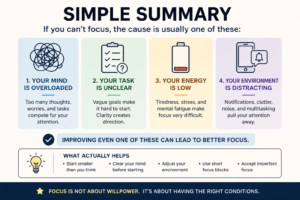
Simple Summary
If you keep procrastinating, it’s usually because:
the task feels too big
you’re low on energy
your environment is distracting
you’re waiting for motivation
Fixing even one of these can help you get started.
Final Thoughts
You don’t need perfect discipline to get things done.
You just need to start.
Start small. Start imperfectly. Start even when you don’t feel ready.
Because once you begin, everything becomes easier.
PROCRASTINATION & PRODUCTIVITY
Recommended Reading
Explore more articles about procrastination, focus improvement, habit psychology, and productivity systems designed to help you take action consistently.
Cal Newport Official Website
— Research and practical frameworks about deep work, focus, and distraction-free productivity. :contentReference[oaicite:0]{index=0}
Atomic Habits by James Clear
— One of the most recommended resources for building productive systems and reducing procrastination.