Many things that waste your time without you noticing are part of your daily routine.
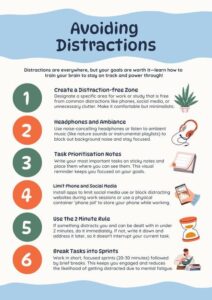
It often starts with something small. A quick check, a short scroll. But these micro-distractions quietly break your focus and make it harder to return to deep work.
Introduction
There was a time when I genuinely believed I just needed more discipline.
I would sit down, open my laptop, and tell myself, “Today I’m going to focus.”
But after an hour, nothing meaningful was done.
Not because I didn’t try. Not because I didn’t care.
But because something invisible kept pulling me away.
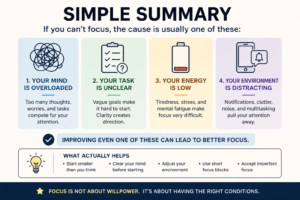
If you’ve ever felt mentally busy but somehow unproductive at the same time, you’re not alone.
The truth is, most people don’t lose time through big mistakes.
They lose it through small, unnoticed habits that slowly eat away at their attention.
1. Constant Micro-Distractions
One notification. One quick check.
It feels harmless.
But it’s not.
I used to check my phone “just for a second” while working. That second often turned into five minutes. Sometimes ten.
What surprised me the most wasn’t the time spent scrolling. It was how hard it became to get back into focus afterward.
Research from Harvard suggests that even short interruptions can significantly reduce productivity. Your brain doesn’t simply “resume” where it left off. It resets.
And the more often it resets, the less deep work you actually get done.
2. Trying to Keep Everything in Your Head
For a long time, I avoided writing things down.
I thought if I kept everything in my mind, I would stay more “in control.”
But in reality, it did the opposite.
I felt constantly overwhelmed, even when I wasn’t doing much.
This is what psychologists call cognitive overload. Your brain has limited capacity, and when it’s filled with reminders, tasks, and random thoughts, there’s no room left for focus.
Once I started using simple notes—even just a phone memo— my mental space became noticeably clearer.
3. Passive Consumption That Feels Like Rest
Scrolling can feel like a break.
But it isn’t real rest.
After long periods of consuming short videos or random articles, I noticed something strange.
I felt more tired, not less.
Studies in neuroscience show that continuous information input prevents the brain from fully recovering. Instead of resting, your brain stays active, processing more and more content.
True rest often looks boring. Quiet. Slow. Undistracted.
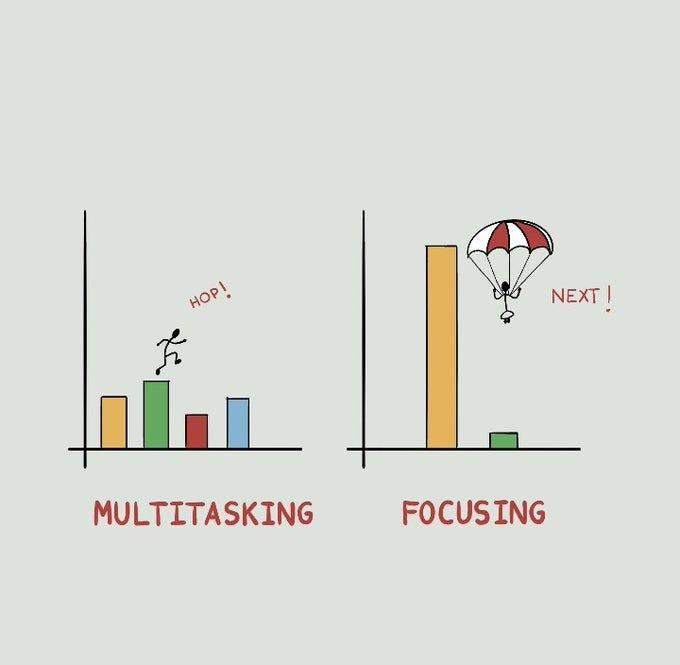
4. Multitasking
There was a period when I felt proud of multitasking.
Watching something while replying to messages, checking emails while working.
It felt efficient.
But the results were always average at best.
Stanford research has shown that multitasking reduces both performance and memory. You’re not actually doing two things well.
You’re switching between them quickly—and losing quality each time.
Once I forced myself to focus on one task at a time, everything slowed down at first.
But the results improved almost immediately.
5. Waiting Until You “Feel Ready”
This one wasted more of my time than anything else.
I kept waiting for the right moment. The right mood.
The moment when I would finally feel motivated.
It rarely came.
What eventually changed things was realizing this:
You don’t start because you feel motivated. You feel motivated because you start.
Even a small action—opening a document, writing one sentence— can shift your state.
Waiting only delays that shift.
6. Decision Fatigue
I didn’t realize how many decisions I was making every day.
Small ones. Constant ones.
What to eat. Where to start. What to prioritize.
By the time I got to real work, I was already mentally tired.
There’s a reason why people like Steve Jobs simplified their daily choices. Reducing decisions protects your energy.
Now I try to decide things in advance whenever possible. It makes a bigger difference than you would expect.
7. Not Knowing What Actually Matters
There were days when I stayed busy for hours but couldn’t clearly explain what I accomplished.
That’s not a time problem.
It’s a clarity problem.
When priorities aren’t clear, the easiest tasks take over. You respond to messages, organize files, adjust small things.
But the important work gets delayed.
Once I started asking one simple question each day— “What actually matters today?”— my productivity improved more than any tool or method I tried.
8. Avoiding Discomfort Without Realizing It
Sometimes it’s not laziness.
It’s avoidance.
There are tasks we delay not because they’re hard, but because they’re uncomfortable.
Writing something uncertain. Starting something new. Facing possible failure.
Instead, we choose easier tasks that feel productive.
But deep down, we know we’re avoiding the real work.
Recognizing this pattern was uncomfortable, but it helped me change it.
9. Over-Preparing Instead of Doing
Planning can easily become a form of procrastination.
I used to spend too much time researching, organizing, and refining ideas before actually starting.
It felt responsible.
But it delayed progress.
At some point, preparation stops helping and starts blocking.
Now I try to start earlier, even if things aren’t perfect. Execution teaches faster than preparation ever will.
10. No Clear End Point
One of the biggest hidden time-wasters is not knowing when something is done.
Without a clear finish line, tasks expand.
You keep tweaking, adjusting, thinking.
Setting simple boundaries changed this for me.
Instead of saying “I’ll work on this today,” I started saying, “I’ll work on this for 60 minutes.”
That small shift created focus.
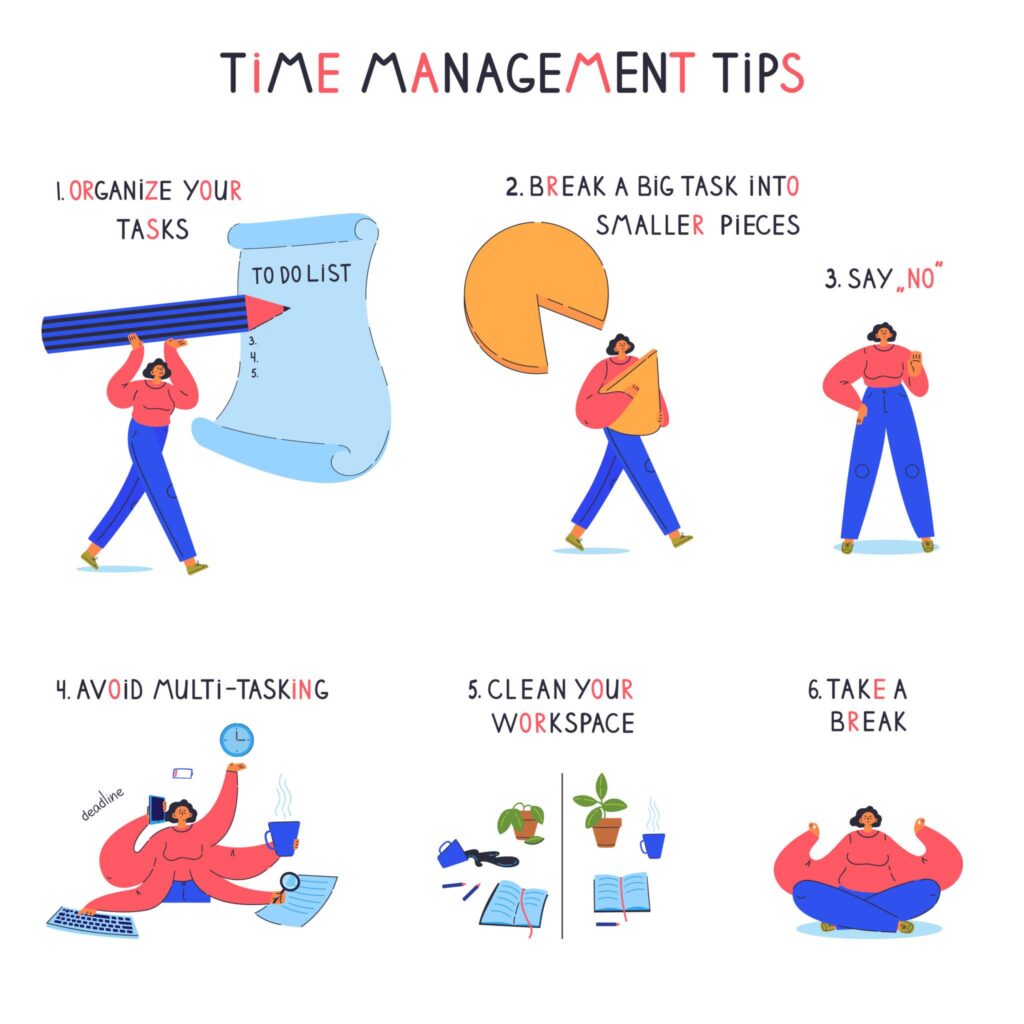
What feels like productivity is often just constant switching between tasks. This is one of the hidden things that waste your time without you noticing. Multitasking splits your attention, and over time, it quietly drains more energy than it saves.Simple time management tips like organizing tasks, breaking work into smaller pieces, and avoiding multitasking can significantly reduce the things that waste your time without you noticing. Small changes in daily habits often lead to better focus, less stress, and more effective use of your time.
Final Thoughts
Most people think they need more time.
But often, they don’t.
They need fewer invisible leaks.
Time doesn’t disappear suddenly. It fades away quietly, through habits you barely notice.
Once you start seeing them, you realize something important:
You don’t need to work harder.
You need to work more intentionally.
TIME MANAGEMENT & FOCUS
Recommended Reading
Explore more articles about hidden time wasters, focus loss, procrastination, daily productivity, and simple systems that help you use your time better.