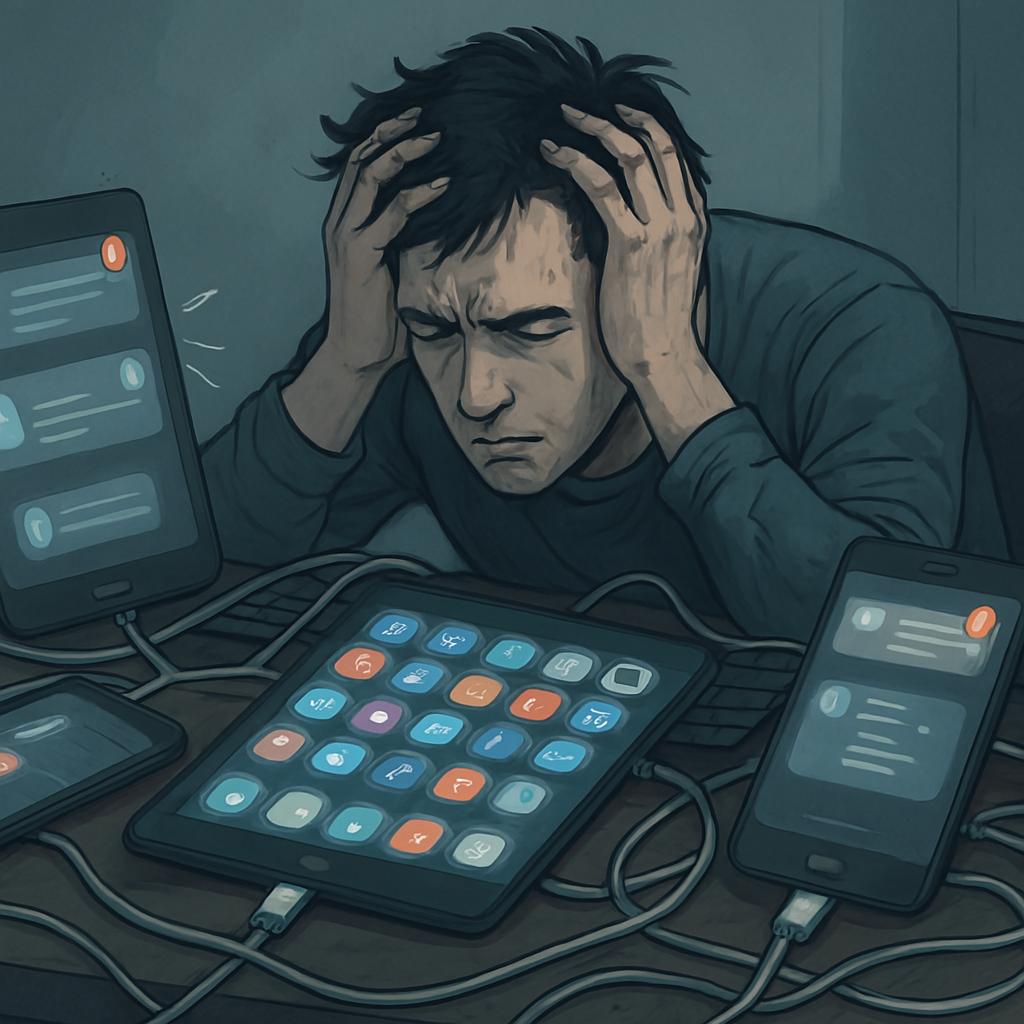
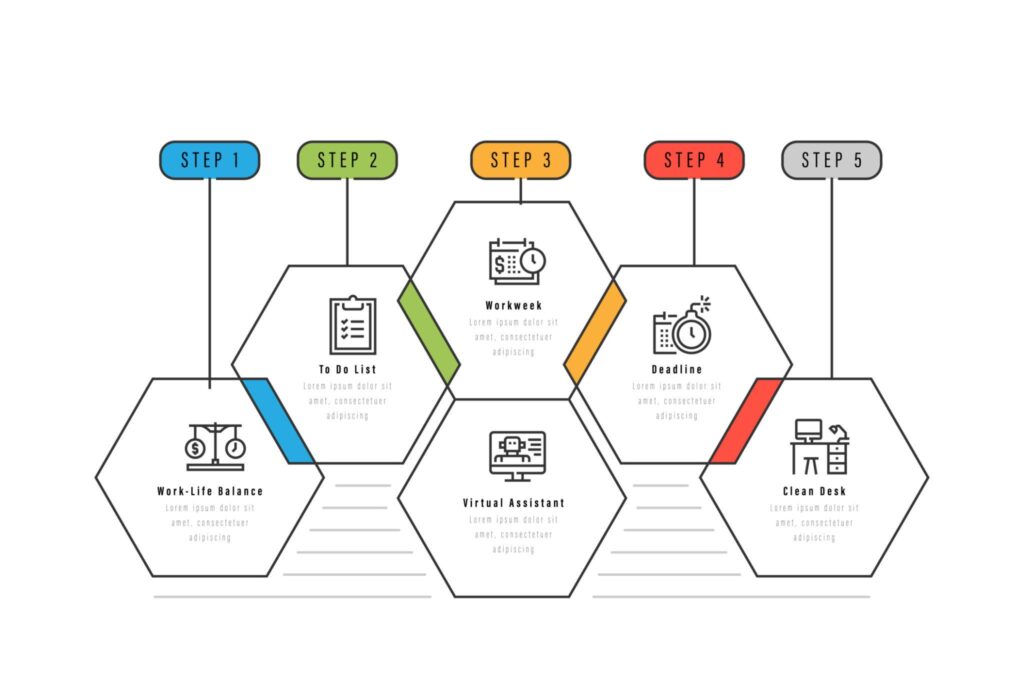
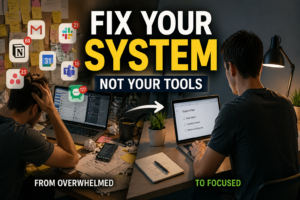
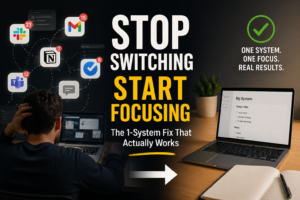
A visual representation of decision fatigue, showing how too many choices and tools create mental overload, while a simple system leads to focus and productivity.
Most people feel mentally tired not because they work too much, but because they make too many decisions. This guide explains AI decision fatigue and how to fix your productivity system.
Introduction — You’re Not Tired. You’re Overloaded
There are days when you sit down to work, open your laptop… and already feel exhausted.
Not because you worked too much. But because you don’t know where to start.
You check your task list. Then your notes. Then your calendar. Maybe even ask an AI tool for help.
And before you realize it— 👉 you’ve done nothing, but you already feel drained.
I used to think this was laziness.
It wasn’t.
👉 It was decision fatigue.
If This Sounds Familiar, You’re Not Alone
If you’ve ever searched things like:
why do I feel tired even when I didn’t do anything
why can’t I focus on work
too many choices making me overwhelmed
AI productivity tools not helping
👉 you’re not alone.
This isn’t a motivation problem.
👉 It’s a decision problem.
What Is Decision Fatigue (And Why It Matters Now More Than Ever)
Decision fatigue is a well-known psychological effect.
The more decisions you make, 👉 the worse your decisions become over time.
One famous study looked at parole judges. In the morning, they were far more likely to approve parole.
Later in the day?
👉 approval rates dropped significantly.
Same judges. Same cases.
👉 The difference was mental fatigue.
The AI Era Made It Worse — Not Better
AI was supposed to simplify everything.
And in some ways, it does:
faster planning
instant answers
endless ideas
But here’s the problem:
👉 AI doesn’t remove decisions. It multiplies them.
Now your workflow looks like this:
Which tool should I use?
Which prompt is better?
Which answer is correct?
Which version should I follow?
Before AI, you had fewer options.
Now you have infinite ones.
👉 And your brain pays the price.
Why You Feel Exhausted Before You Even Start
Here’s the real issue:
👉 You are making decisions before doing actual work.
choosing tools
choosing tasks
choosing priorities
choosing direction
By the time you start, your mental energy is already low.
According to research from the American Psychological Association, decision-making consumes significant cognitive resources.
👉 Every unnecessary choice drains your focus.
Common Signs of Decision Fatigue
You might be dealing with decision fatigue if:
You keep switching between apps without finishing tasks
You spend more time planning than doing
You feel mentally tired before starting work
You rely on AI tools but still don’t take action
You constantly rethink simple decisions
👉 These are signs your system is creating too many choices.
The Hidden Cost of “Flexible Systems”
Most productivity advice sounds helpful:
customize your workflow
stay flexible
use what works for you
But in reality?
👉 flexibility creates more decisions.
And more decisions lead to more fatigue.
That’s why most systems fail after a few days.
A Simple Shift That Changed Everything
At some point, I stopped asking:
👉 “What’s the best tool?”
Instead, I asked:
👉 “How can I reduce the number of decisions I make every day?”
That changed everything.
How to Fix Decision Fatigue (A Simple System That Works)
1. Remove Choices Before the Day Starts
Decide in advance:
what you’ll do
when you’ll start
how long you’ll focus
👉 The fewer decisions you make in the moment, the easier it is to act.
2. Limit Your Tools to One Core System
More tools = more switching More switching = more decisions
👉 Choose one main system (like Notion or a simple note setup)
Use AI as support—not your main workflow.
3. Turn Options Into Defaults
Instead of asking:
“What should I do today?”
👉 build a fixed structure:
same start time
same workflow
same sequence
Now you don’t decide—you follow.
4. Use AI to Reduce Thinking, Not Increase It
Most people use AI like this:
ask multiple questions
compare answers
rethink everything
👉 This increases fatigue.
Instead:
generate one clear plan
accept it
execute
5. Stop Optimizing, Start Repeating
Constant optimization feels productive.
But it’s not.
👉 Repetition beats perfection.
The fewer changes you make, the fewer decisions you face.
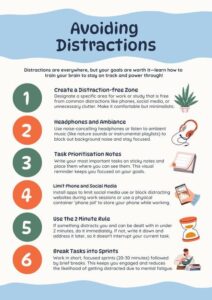
A focused workspace with a clear time-blocked schedule, showing how a simple daily system reduces decision fatigue and improves consistent execution.
A Simple Daily Example
Night: use AI to prepare the next day
Morning: start immediately (no thinking)
Work: follow time blocks
Evening: quick review
👉 This removes unnecessary decisions.
What I Learned (Personal Insight)
I used to spend a lot of time trying to improve my system.
Now I do the opposite.
👉 I simplify and repeat.
And that changed everything.
Frequently Asked Questions About Decision Fatigue
Why do I feel mentally tired without doing anything?
Because your brain is making too many small decisions before actual work begins.
Can AI tools cause decision fatigue?
Yes. AI increases options. Without a clear system, more options create confusion.
How do I reduce decision fatigue quickly?
Start by:
fixing your daily routine
reducing tools
limiting choices
following a simple system
Final Insight
We think productivity is about doing more.
But in reality:
👉 it’s about deciding less.
AI is powerful.
But without a system, it increases complexity instead of reducing it.
A clean visual summary of a simple productivity system that reduces decision fatigue by fixing routines, limiting choices, using time blocks, and repeating a clear daily workflow.
Conclusion
If you feel overwhelmed before even starting your work,
👉 the problem isn’t effort.
👉 it’s decision overload.
Instead of adding more tools:
reduce your choices
simplify your system
repeat what works
Because in the end:
👉 Productivity isn’t about how much you can do. It’s about how little you need to decide.
AI & DECISION FATIGUE
Recommended Reading
Explore more articles about AI overload, decision fatigue, cognitive burnout, productivity systems, and how modern digital workflows affect mental clarity.
Harvard Business Review: AI Brain Fry
— Research showing that excessive AI oversight and multitasking can increase cognitive fatigue and decision exhaustion.
CBS News: AI Productivity & Burnout
— Study findings showing that workers using multiple AI tools experienced more decision fatigue and mental overload.
Decision Fatigue Explained
— Overview of how repeated decision-making gradually reduces cognitive performance and self-control.